
Evolving Self
When God Allows What He Does Not Will
Finding Peace in the Space Between His Heart and His Permission A child

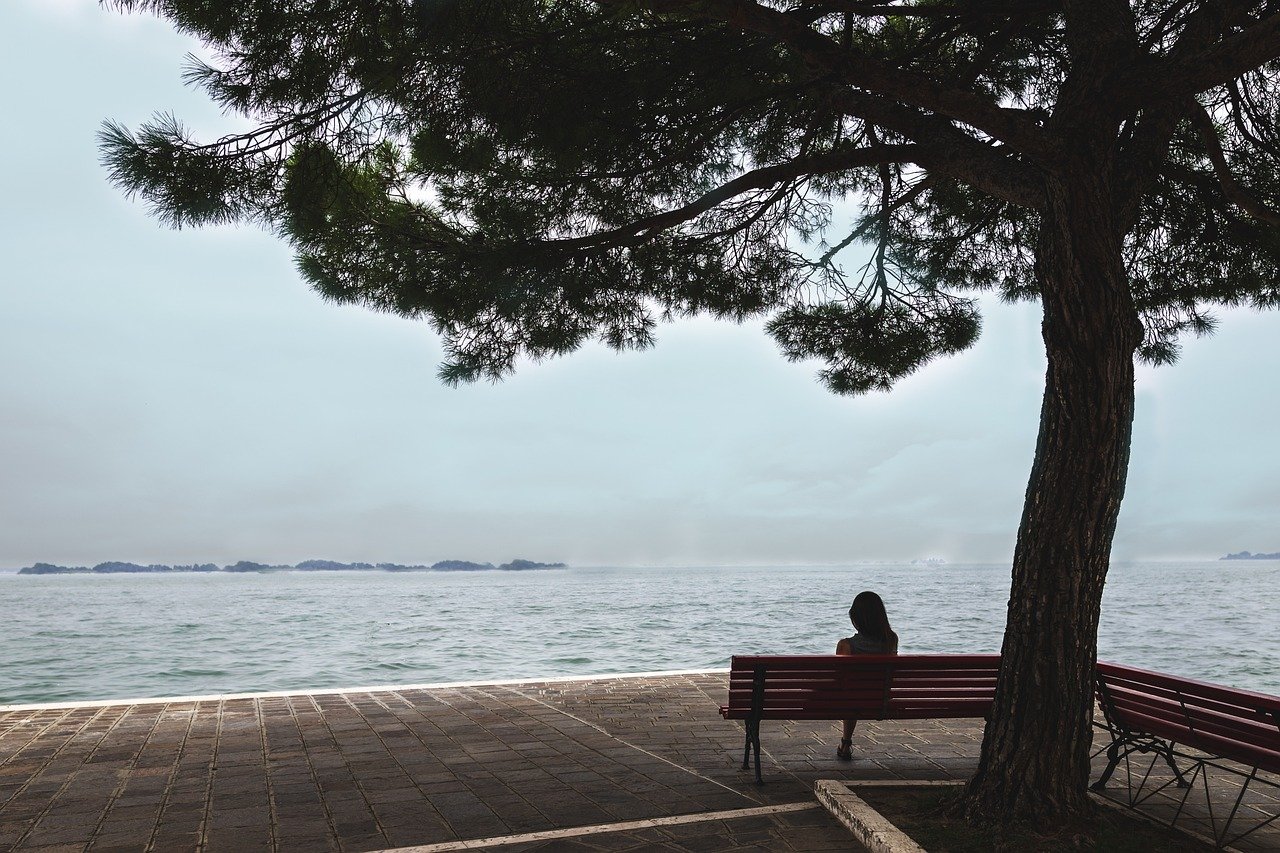
There is a peculiar tension in the human experience: we are always waiting for something. The next call. The right opportunity, a partner, a sign, a reply, a breakthrough. We wait for doors to open and for answers to arrive. And often, we wait without knowing how long it will take, or what we will find on the other side.
This is not just about job applications or transitions. It is about what happens inside us during the long pauses of life.
We are told to be patient, and so we nod and smile. However, beneath that calm exterior, there is often a storm of quiet questions. Why is it taking so long? Did I miss something? Or worse, is something wrong with me
I found myself sitting in that storm recently. I had done what I was supposed to do, finished what was mine to finish, and now I was staring at a chapter that would not turn. I was not alone in that feeling, but self-awareness brought it into sharper focus. I realized how tempted I was to let the wait define me. To let uncertainty turn into self-doubt.
It is funny how quickly waiting shifts from peaceful stillness to quiet restlessness. The kind where you open your laptop a dozen times just to close it again. The kind where you look at your phone hoping it buzzed with good news, only to find it is just a low battery warning…or worse, a telemarketing call.
But that is when it hit me: The wait is not wasted time. It is the proving ground of the soul.
Psychologists tell us that uncertainty is one of the most stressful conditions the human brain encounters. Our brains crave control, and waiting threatens that illusion. Yet it is in this discomfort that growth begins.
Dr. Susan David, a psychologist at Harvard Medical School, reminds us that “Discomfort is the price of admission to a meaningful life.” The pause we resist is often the space that shapes us. Instead of avoiding it, what if we leaned in?
When we practice self-awareness during these moments, we start to recognize the narratives we tell ourselves. Are we seeing this wait as rejection or redirection? Are we viewing it as punishment or preparation?
Patience, after all, is not just the ability to wait, it is how we behave while we are waiting. It is an internal posture. And it is one that the Stoics, spiritual teachers, and philosophers all revere.
Seneca once said, “Time discovers truth.” But I would add: waiting reveals the self.
Every stage of life, especially the uncertain ones, contains an invitation. The question is whether we are awake enough to notice it.
In waiting, we are often stripped of the distractions that make us feel productive or important. What is left is something raw but real: our attention, our thoughts, our feelings, and our perspective.
This is where self-awareness becomes essential. Because if we are not mindful, we may waste these moments numbing, scrolling, comparing, or complaining. We might miss the breeze on our skin, the joy of a slow morning, or the way the light softens as evening comes.
We wait for joy, not realizing it is already available in small doses, if only we are present enough to notice.
You may also like: https://ascenttovirtue.com/what-no-one-tells-you-about-the-finish-line/
There is a deep harmony across traditions on the virtue of patience in times of waiting.
The Bible calls us to wait with hope and trust: “Be still before the Lord and wait patiently for him…” (Psalm 37:7). Waiting is portrayed not as despair, but as a sacred act of faith.
Buddhist teachings encourage present-moment awareness rather than craving or attachment, recognizing that suffering arises from clinging to what we cannot control. Peace, even in waiting, is cultivated through mindfulness.
Stoic philosophers like Marcus Aurelius and Seneca taught that wise living involves accepting what we cannot control and practicing temperance. Waiting, in Stoicism, becomes an opportunity to grow in inner strength and calm resolve.
In modern psychology, sitting with discomfort is a key skill in building emotional agility and resilience. Psychologists such as Dr. Susan David emphasize that facing uncertainty with presence, not avoidance, is what allows us to grow through it, not just go through it.
So whether you are a believer, a seeker, or simply someone trying to get through the week, the message is the same: this moment, however unremarkable it may seem, matters.
What stories are you telling yourself about this season of your life?
Are you present in the waiting, or are you wishing it away?
What would shift if you trusted that this pause is just as purposeful as the next chapter?
Each morning this week, write one sentence that finishes this thought: “While I wait, I will…”
Keep it simple. Keep it true. Maybe it is “…take a walk without my phone,” or “…call someone who makes me laugh,” or “…remind myself of how far I have come.”
Let this be your ritual, not to speed up the wait, but to meet it well.
We often treat waiting like a hallway with no view. But maybe, just maybe, it is a sacred stretch of road, where character is being formed, faith is being tested, and joy is still possible.
Waiting does not always bring what we want. But it can bring who we’re meant to become.
So take heart.
Let the silence teach you.
Let the delay strengthen you.
Let the in-between grow you.
Because someday soon, the door will open, and you will walk through it not just older, but wiser.
Join our weekly reflection journal prompts.
Subscribe to the blog for deeper content on growth, virtue, and meaning.
Share your story with us in the comments or by email, we would love to hear how you are navigating your own wait.

Finding Peace in the Space Between His Heart and His Permission A child

A reflection on the difference between saying we care and showing we care
A reflection on seeing, remembering, and choosing gratitude in a world full of